
Best Wine Accessories for Enthusiasts
Serious wine enthusiasts rely on purpose-built accessories that go beyond a basic corkscrew, focusing on tools that protect flavor and showcase subtle differences in every bottle. A precision wine opener prevents crumbling corks, which can ruin older bottles worth over $100. A reliable vacuum stopper keeps opened wine fresh for up to a week, crucial for those who pour just a glass at a time. Temperature-controlled wine fridges hold bottles at a steady 55°F, preserving both reds and whites for cellaring. These tools matter most for anyone storing more than a dozen bottles or collecting vintages from multiple regions.
Which wine accessories actually matter

A well chosen corkscrew or decanter changes the entire wine experience, while specialty chillers and decorative gadgets often gather dust. Some tools extract more aroma or prevent spoilage; others promise convenience but offer little improvement over basics. Distinguishing useful gear from novelty items helps enthusiasts focus on what truly elevates each pour.
Must-have tools for wine lovers
Specialized wine accessories shape every bottle’s potential, especially with aged or delicate varieties. The right choice can reveal hidden aromas or protect against spoilage, while the wrong tool introduces faults or wastes wine.
| Accessory Type | Purpose | Best Use Case | Impact on Wine |
|---|---|---|---|
| Double hinged corkscrew | Provides leverage for steady cork removal | Natural cork bottles, fragile corks | Reduces breakage, preserves clarity |
| Fine mesh strainer | Filters out sediment and cork fragments | Aged reds, crumbling corks | Improves mouthfeel, prevents grit |
| Vacuum wine saver | Removes air to delay oxidation | Unfinished bottles, slow consumption | Extends freshness for several days |
| Crystal decanter | Aerates and separates sediment | Full-bodied reds, young wines | Softens tannins, enhances aroma |
| Wide bowl glass | Maximizes surface area for swirling | Aromatic reds, complex whites | Releases layered scents and flavors |
Glass shape and material matter more than most casual drinkers realize. A bowl with a broad opening draws out aromas missing in a narrow design.
Overhyped accessories to skip
Foil cutters, wine aerators shaped like gadgets, and digital thermometers fill gift boxes but rarely see regular use. Hype around these items often obscures the fact that their benefits either overlap with simpler tools or bring little change to taste or storage. Some accessories even complicate the process without providing any measurable advantage:
- Foil cutters duplicate the job of a standard corkscrew, which already includes a small blade for clean capsule removal.
- Battery operated openers promise speed but struggle with older bottles, where manual control prevents cork breakage and sediment disturbance.
- Wine aerators shaped like spouts claim to enhance flavor instantly, yet blind tastings regularly show that pouring into a glass and waiting achieves the same result for most wines.
- Digital thermometers read bottle surface temperature, not the wine inside, so they often mislead instead of guiding proper serving.
- Wine charms identify glasses at parties but fall off easily, and most guests remember their glass by its position or contents.
These details matter most at informal gatherings or for those building a first serious wine set. A focus on core tools avoids clutter and directs money toward bottles worth exploring.
Reliable openers, quality glassware, and effective preservation tools consistently enhance wine enjoyment. A focus on essentials avoids clutter and ensures every accessory earns its place at the table.
How to tell quality from gimmicks
A well crafted wine accessory can enhance both the flavor and the ritual of serving wine. Inferior tools often break, corrode, or simply clutter drawers without adding value. Quality materials and thoughtful design distinguish products that last from those destined for quick disposal.
Signs of a well-made accessory
A corkscrew with a solid stainless steel worm rarely snaps under pressure. Cheap alloys or plastic arms often bend or break after a few months.
Double-hinge mechanisms in wine openers allow smoother leverage but only last when the rivets are tightly set. Loose joints immediately catch or wobble during use. Seamless glass in decanters means fewer weak points; glued seams are prone to leaks and cracks when cleaned or stored.
A wine aerator made from thick, clear acrylic holds up longer than thin molded plastic. Look for smooth edges and balanced weight–poorly finished or lightweight tools often topple or slip during pouring.
Spotting decorative flourishes often distracts from flaws in structure or material. Heavy gauge metals, flush seams, and non-slip grips all point to a product built for repeated use.
Spotting marketing tricks and fads
Limited edition labels and buzzwords like 'aeration technology' flood product packaging during holiday seasons. These terms often distract from an item's actual performance or long term value. Spotting such tactics requires a sharper focus on design, function, and real improvements over older models:
- Scan the packaging for vague claims, such as 'next generation' or 'patent pending,' that do not specify what has changed or improved.
- Compare the accessory to established designs–if a decanter has an unusual shape but no clear benefit for pouring or cleaning, trend may outweigh function.
- Look for product endorsements from unrelated celebrities or social media influencers instead of sommeliers or wine professionals.
- Examine if the accessory requires expensive proprietary refills or parts, which often signals a product designed for repeat sales rather than lasting utility.
Many buyers are drawn in by flashy packaging and promises of revolutionary features that have little effect on taste or preservation. Choosing tools with a clear, proven function and components that can be maintained or replaced individually avoids disappointment and wasted expense.
Durable construction and reliable performance separate worthwhile accessories from those that disappoint. Choosing pieces with proven materials and solid mechanisms leads to a better experience and saves money over time.
Who should avoid certain wine tools
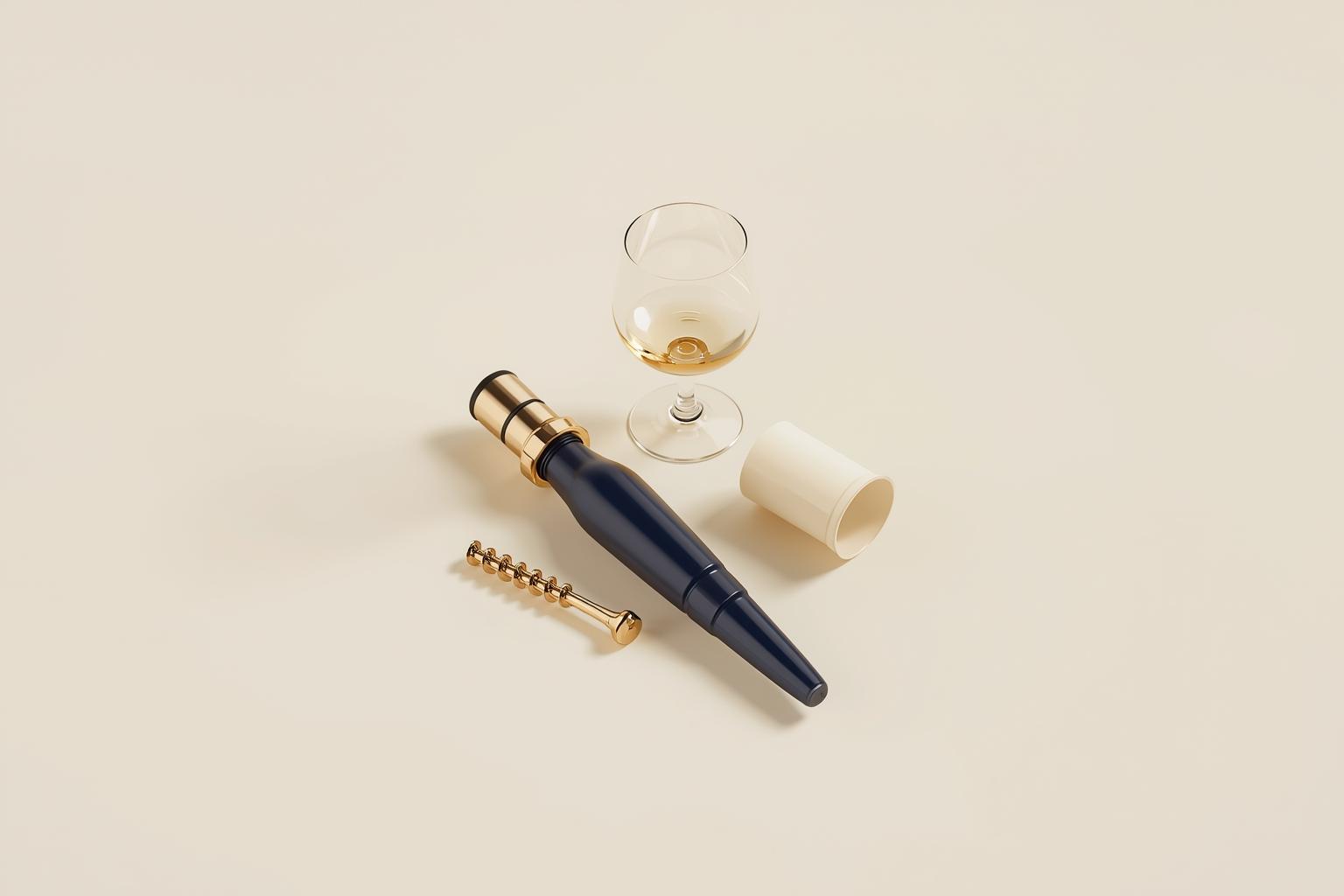
Casual drinkers or those with limited storage often find elaborate decanters, aerators, or electric openers unnecessary. Many of these tools add bulk without improving basic enjoyment.
A single glass after dinner does not require a dedicated wine fridge or vacuum sealing system. Entertaining rarely or sticking to screw-cap bottles also makes many preservation gadgets redundant.
Purchasing advanced accessories only benefits those who open expensive bottles frequently or host large gatherings. Simpler setups suit most home routines and prevent wasted space.